Ir para o conteúdo
  • Imprensa
  • Contato
  • en_US
  • pt_BR
Cardápio
  • en_US
  • pt_BR
  • Sobre
    • quem somos
    • CEBDS
    • Linha do Tempo
    • Visão, missão e princípios
    • Sobre o WBCSD
    • quem faz parte
    • Equipe
    • Governança
    • Trabalhe conosco
    • Nosso Trabalho
    • Câmaras Temáticas e Grupos de Trabalho
    • Advocacy
    • Eventos
    • Iniciativas
    • Capacitação
  • Iniciativas
    • Câmaras temáticas e Grupos de trabalho
    • Clima
    • Energia
    • Biodiversidade e Biotecnologia
    • Sociobieconomia
    • Impacto Social
    • Sistemas Agroalimentares
    • Finanças Sustentáveis
    • Água
    • Advocacy
    • Economia Circular
    • iniciativas
    • Coalizões para a Descarbonização
    • Plataforma Net Zero
    • Brasil de Soluções
    • Plataforma de Ação Pela Natureza
    • Compromisso de Biodiversidade
    • Compromisso de Segurança Hídrica
    • UK Pact
    • Visão 2050
    • IBNBIO
    • Movimento Empresarial pela Amazônia
  • Central de Conteúdos
    • imprensa
    • Clipping
    • Releases
    • Porta-vozes
    • Publicações
    • Documentos
    • Notícias
    • Artigos
  • Notícias
  • Associadas
  • Eventos
  • COP31
Pesquisar
Feche esta caixa de pesquisa.
Associe-se

Achieving the SDGs can unlock trillions in new market value

  • Publicado em 25/01/2017

A landmark report launched by the Business & Sustainable Development Commission (BSDC) reveals that pursuing sustainable and inclusive business models could unlock economic opportunities worth at least US$12 trillion a year by 2030 and generate up to 380 million jobs, mostly in developing countries.

The BSDC’s flagship Better Business, Better World report, recognizes that while the last few decades have lifted hundreds of millions out of poverty, they have also led to unequal growth, increasing job insecurity, ever more debt and greater environmental risks. This mix has fueled an anti-globalization reaction in many countries, with business and financial interests seen as central to the problem, and is undermining the long-term economic growth that the world needs.

The report positions the Sustainable Development Goals (SDGs) as a compelling new strategy to reverse this trend, highlighting their potential to unleash innovation, economic growth, and development at an unprecedented scale. However, this potential will not be realized without radical change in the business and investment community. Real leadership is needed for the private sector to become a trusted partner in working with government and civil society to address the flaws in the current economic model.

The BSDC, which is comprised of 35 CEOs and civil society leaders, has spent the last year exploring the key question: “What will it take for business to be central to building a sustainable market economy-one that can help to deliver the SDGs?” The Better Business, Better World report seeks to answer this question while also highlighting the scale of the economic prize that could be available to business if the SDGs are realized.

Key findings of Better Business, Better World

60 sustainable and inclusive market “hotspots” in just four key economic areas could create at least US$12 trillion, worth over 10% of today’s GDP. The breakdown of the four areas and their potential values are: Energy US$4.3 trillion; Cities: US$3.7 trillion; Food & Agriculture US$2.3 trillion; Health & Well-being US$1.8 trillion.

“SDG hot spots” identified in the report have the potential to grow 2-3 times faster than average GDP over the next 10-15 years. Beyond the US$12 trillion directly estimated, conservative analysis shows potential for an additional US$8 trillion of value creation across the wider economy if companies embed SDGs in their strategies. Furthermore, factoring in the cost of externalities (negative impacts from business activities such as carbon emissions or pollution) increases the overall value of opportunities by almost 40%.

Two critical conditions must be met to build these new markets. First, innovative financing from both private and public sources will be needed to unlock the US$2.4 trillion required annually to achieve the SDGs. At the same time, a “new social contract” between business, government and society is essential to defining the role of business in a new, fairer economy.

About the Business & Sustainable Development Commission

The Commission brings together three dozen leaders from business, finance, civil society, labor, and international organizations, with the twin aims of mapping the economic prize that could be available to business if the SDGs are achieved, and describing how business can contribute to achieving them. The SDGs set out 17 objectives to eliminate poverty, improve education and health outcomes, create better jobs and tackle our key environmental challenges by 2030.

Download the “Better Business, Better World” report and its executive summaries are also available in the following languages: Portuguese, Chinese, French, Indonesian, Japanese, Korean, Russian, Spanish, Turkish, and Arabic.

Originally posted on the WBCSD website. 
 

compartilhe:

Assine nossa newsletter

Informe seu e-mail e receba os nossos conteúdos. Respeitamos a privacidade das suas informações não compartilhando-as com ninguém.

Notícias relacionadas

Confira as notícias mais atuais e relevantes para ficar por dentro do que está em debate na agenda do Desenvolvimento Sustentável.

  • Coalizão de Energia, Coalizões
  • 27/10/2026

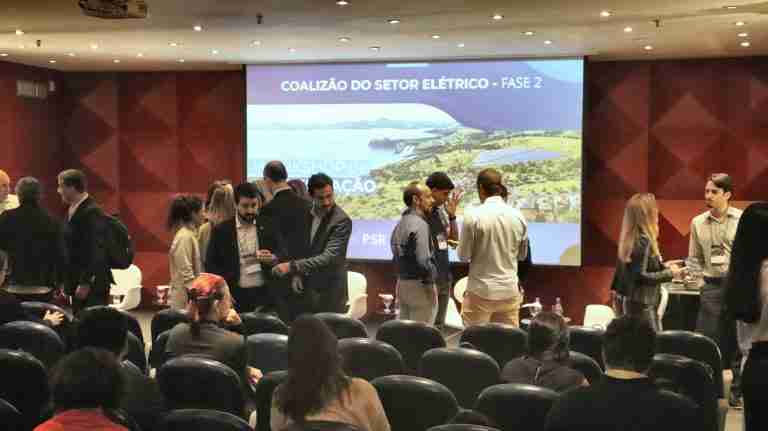
Coalizão do Setor Elétrico avança nos debates sobre eletrificação, flexibilidade e sinais econômicos

  • Biodiversidade e Biotecnologia, COP
  • 20/10/2026

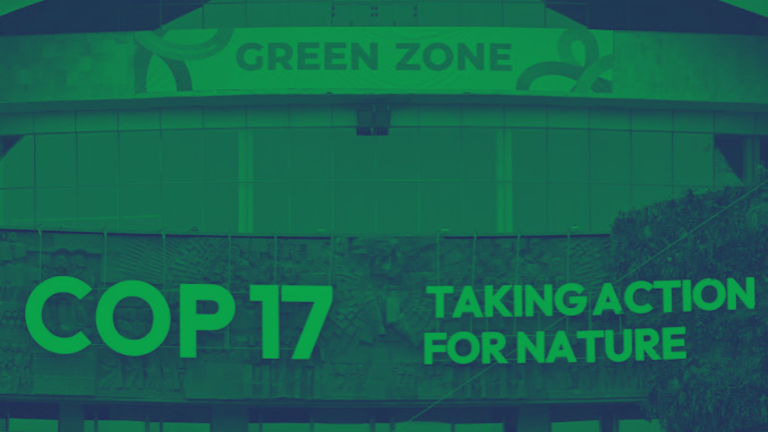
COP17 da Biodiversidade 2026 começa na Armênia: acompanhe as principais discussões

  • 13/10/2026

IFRS S1 e S2 avançam mesmo com flexibilização regulatória

ver mais

Publicações relacionadas

Quer se aprofundar ainda mais neste assunto? Confira aqui outras publicações relacionadas a esta mesma temática.

  • COP31
  • novembro 9, 2026

Escuta COP

Guia Pré-COP31
COP31
  • COP31
Saber mais
  • novembro 5, 2026

Guia Pré-COP31

O Global Circularity Protocol e a Estratégia Nacional de Economia Circular
Economia Circular
  • Economia Circular
Saber mais
  • novembro 4, 2026

O Global Circularity Protocol e a Estratégia Nacional de Economia Circular

Guia IFRS S1 e S2 na prática
Clima, Energia e Finanças Sustentáveis
  • Clima, Energia e Finanças Sustentáveis
Saber mais
  • outubro 1, 2026

Guia IFRS S1 e S2 na prática

ver mais

Eventos relacionados

Confira nossos próximos eventos relacionados a este tema e junte-se a nós para debater e compartilhar melhores práticas.

Economia Circular

Piloto GCP: 5º Encontro – Fase MEASURE 2

18 de novembro
+ saiba mais
Sustainable Innovation Forum 2026
NYCW

Sustainable Innovation Forum 2026

10-11 de Novembro

Climate Action Innovation Zone Antalya, Türkiye

+ saiba mais
COP31

Accelerating National and Global Decarbonization Through Business Coalition

18 de novembro

South Africa Pavilion

+ saiba mais
COP31, Sistemas Agroalimentares

Investment in Resilient Supply Chains: Linking Traceability, Emissions, and Finance for Producers

16 de novembro

Food and Agriculture Pavilion

+ saiba mais
COP31, Sistemas Agroalimentares

From Climate Pathways to Farm-Level Action: Trade, Finance and Agrifood Value Chains

16 de novembro

Food and Agriculture Pavilion

+ saiba mais
Coalizões para Implementação em Ação: alavancas para acelerar a transição climática no Brasil
COP31

Coalizões para Implementação em Ação: alavancas para acelerar a transição climática no Brasil

19 de novembro

Pavilhão Brasil - Auditório Mutirão

+ saiba mais

ver mais

CÂMARAS TEMÁTICAS
E GRUPOS DE TRABALHO

Clima, Energia e Finanças Sustentáveis

Biodiversidade e Biotecnologia

Amazônia

Impacto Social

Sistemas Agrolimentares

Água

Advocacy

Economia Circular


INICIATIVAS

Cadeias Agroalimentares

Compromisso de Biodiversidade

Compromisso de Segurança Hídrica

COPs

IBNBIO

Movimento Empresarial pela Amazônia

Plataforma de Ação Pela Natureza

Plataforma Net Zero


SOBRE

CEBDS

Linha do tempo

Visão, missão e princípios

WBCSD

Como atuamos

Conselhos do CEBDS

Equipe

Empresas associadas


CONTEÚDOS

Publicações

Notícias

Eventos

Imprensa


INTEGRIDADE

Código de Conduta

Canal de Denúncia


CONTATO

+55 21 2483-2250

cebds@cebds.org

CEBDS RJ: Rua São José, 40, 3º Andar. Centro, Rio de Janeiro, RJ.

CEBDS SP: R. Dr. Virgílio de Carvalho Pinto, 445, 3º andar Pinheiros, São Paulo, SP.

SIGA-NOS

Linkedin Facebook X-twitter Youtube Instagram Spotify

SEJA UM ASSOCIADO

Junte-se a mais de 100 grupos empresariais que estão trabalhando em conjunto para acelerar a transição para um futuro sustentável.

Saiba mais

ASSINE A NEWSLETTER

Informe seu e-mail e receba nossos conteúdos. Com isso, você autoriza a captura, armazenamento e utilização dos dados fornecidos em campanhas de divulgação por e-mail de publicações, eventos e notícias do CEBDS. O descadastramento pode ser solicitado a qualquer momento via descadastro@cebds.org.

Aviso de privacidade

Termo de uso

Política de Cookies

CEBDS. Todos os direitos reservados. Copyright 2023©  –  Produzido por Ludus e desenvolvido por Webinhood.