
What can we expect from the future when it's a certainty that the world will never be the same after the Covid-19 pandemic? There is no single, right answer to this question, but Professor Roberto Medronho, a full professor of Epidemiology at the Faculty of Medicine of UFRJ, helps to outline some possible paths. At the virtual meeting of the CEBDS Covid-19 Working Group this Wednesday (October 14th) with associated companies, Medronho spoke about the environment and health, new work models, and how 2021 will still be a year of heightened awareness.
“This pandemic that has ravaged the world and is the greatest disaster in a hundred years for humanity will not be the first nor the last. As long as there are humans, there will be pandemics,” said Medronho, who stressed that urban mobility in a globalized world has brought problems and that the environmental tragedy is not only a serious environmental problem, but also has direct impacts on public health.
“The scenario will not change in 2021: there will still be peaks of the disease, and a need for isolation. Even with the approval of vaccines – which require specific and precise tests to be safe and applicable to a world of people – there is a logistical issue for the production of 7 billion doses (or 14 billion if the vaccine is in two doses),” he explained.
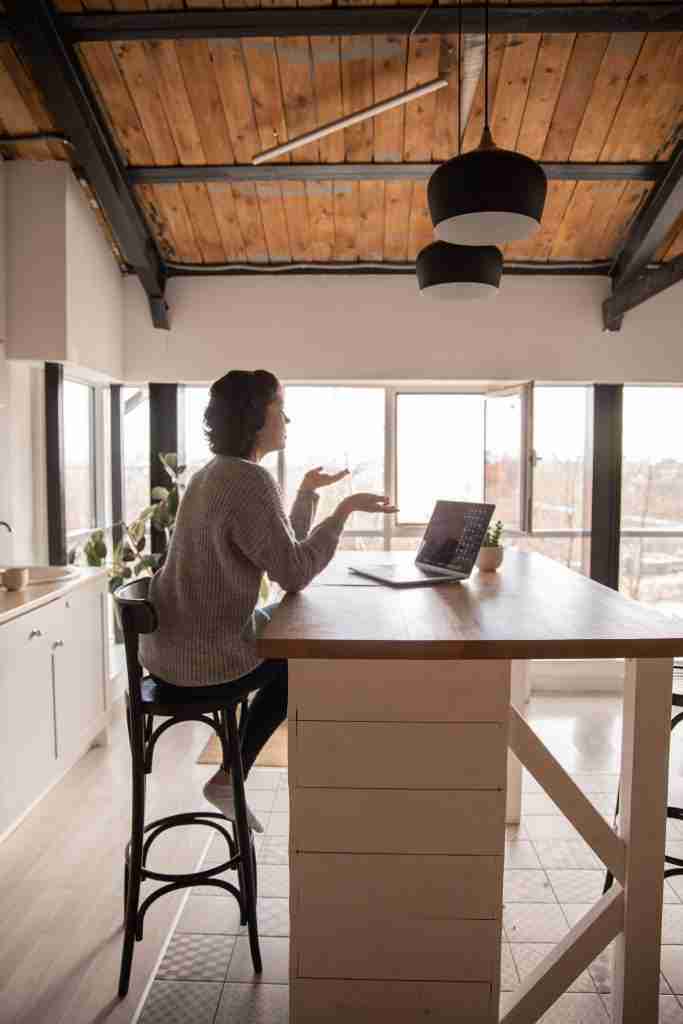
Home office in a hybrid system
The epidemiologist's message is that the world will truly need to change, and concepts like excessive consumption, hoarding, and in-person work will have to be rethought. "We will need to reinvent the world we live in.".
One of the solutions suggested by the doctor is for companies to adopt a hybrid work system, like schools are doing when returning to in-person classes, with a division between in-person hours and remote work. "Because we need interaction, we need contact, relationships. Just through a screen isn't enough."“
For him, the most critical sector in large Brazilian cities is public transportation. “People may be wearing masks, but if they are very close together for a long time, as happens on public transport here, the protection offered by the mask is greatly reduced and the risk increases. But we cannot keep people in at-risk groups confined forever,” he argued.
Regarding the cases of reinfection that have occurred worldwide, Medronho believes they are rare and thinks that after contracting Covid-19, a person would be protected for six months. “The six months is a guess. There are many challenges to returning to a different normal. May it be towards a more egalitarian world,” he emphasized.


