
O IPCC (Intergovernmental Panel on Climate Change), launched this Thursday (8) in Geneva the Special Report on Climate Change and Land. The executive summary highlights the importance of combating deforestation, promoting forest restoration, changing agricultural practices, and curbing land degradation worldwide as measures capable of both combating climate change and promoting societal adaptation to it.
The conclusions are the result of two years of work by 103 experts from 52 countries, who voluntarily participated in the study. According to the IPCC report, reducing deforestation and degradation has the potential to mitigate up to 5.8 billion tons of CO2 per year worldwide. Brazil, home to the largest tropical forest on the planet, can account for a significant portion of this reduction.
Brazil also has competitive advantages and can become a global leader in production with reduced emissions, such as Low Carbon Agriculture Plan recommends. The ABC Plan should be understood as an instrument for integrating the actions of governments (federal, state, and municipal), the productive sector, and civil society to reduce greenhouse gas (GHG) emissions from agricultural and livestock activities.
The IPCC issues a warning: the world's delay in decisively addressing the climate crisis could make land-use-based solutions less effective, as global warming leads to ecosystem degradation and a loss of agricultural productivity.
The document highlights how, in a kind of vicious cycle, unhealthy soils and forests exacerbate climate change, which in turn has negative impacts on forest and soil health.
You can check the Report in English here. The IPCC also released information in an innovative and dynamic way on Trello, which you can access here!
Paris Agreement
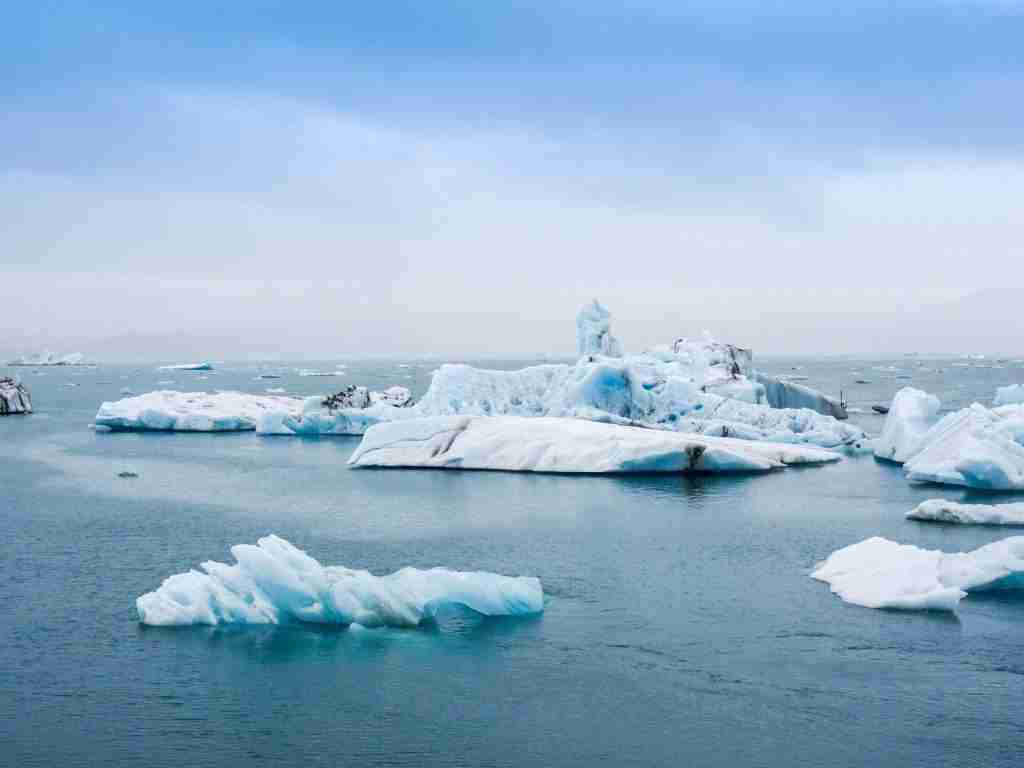
The report points out that if global warming exceeds the 2°C limit established in the Paris Agreement, fertile lands will likely turn into deserts. Infrastructure will crumble as the ice melts. permafrost – type of soil found in the Arctic region, consisting of permanently frozen earth, ice and rocks - and drought and extreme weather events will put the food system at risk.
The authors emphasize that the recommendations could help governments prevent the worst damage, reducing pressure on land and making food systems more sustainable, while meeting the needs of a growing population.
“My hope is that this report will have some impact on how we consider land in the context of climate change and on policies that will promote sustainable land management and sustainable food systems,” said Alisher Mirzabaev, co-author of the IPCC report.
Discussion of Climate Change in Brazil
Discussions on climate change will be on the agenda at Latin America and Caribbean Climate Week – LACCW (Latin America and Caribbean Climate Week), which will be held in Salvador between August 19 and 23. The meeting is part of the United Nations (UN) Climate Convention, which is aimed at implementing the Paris Agreement and combating climate change.
The Brazilian Business Council for Sustainable Development – CEBDS will be present with several activities at Climate Week. CEBDS together with World Business Council For Sustainable Development (WBCSD) will be one of the official supporters of the Energy Transition thematic block, coordinated by IRENA. The programming for this and other Thematic blocks can be consulted here and will take place on Wednesday August 21, 2019.
In addition, CEBDS will hold the “Article 6 Business Dialogue” Workshop in partnership with IETA – International Emissions Trading Association on August 19, 2019. The event will bring together a variety of stakeholders, including business leaders, government officials, and partners. In the afternoon, in a closed session, the event will be held with companies to develop a private sector position on Article 6 of the Paris Agreement.


