
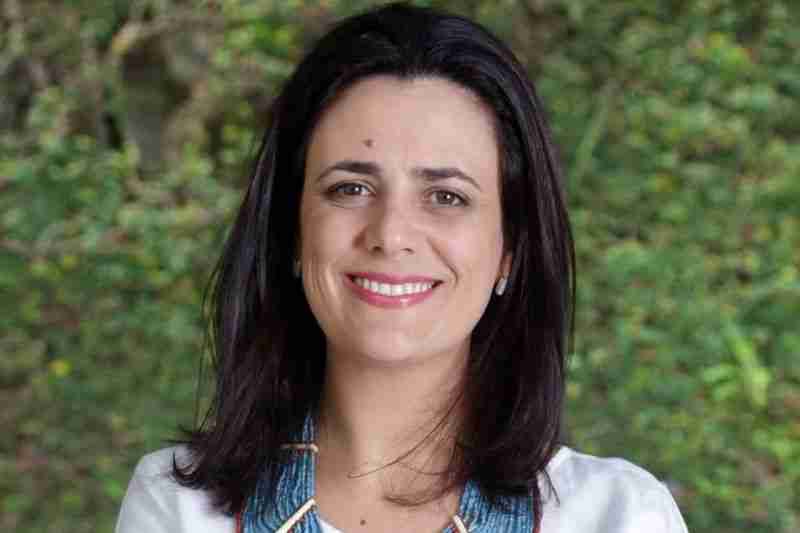
By Giuliana Ortega*
The climate crisis is, first and foremost, a health crisis. There's no separating one dimension from the other. When the air becomes more polluted, when water becomes scarce, when temperatures rise beyond what's bearable, it's not just the planet that suffers—it's all of us.
The World Health Organization (WHO) estimates that between 2030 and 2050, climate change could cause an additional 250,000 deaths per year. Today, more than 90% of the world's population already breathes air with pollution levels above the recommended level. This data is harsh, but necessary: it shows that caring for the climate is caring for life.
And this isn't a distant problem, reserved for future generations. We're already feeling the impacts now. Extreme heat waves can send elderly people to hospitals. Changes in rainfall patterns can favor the expansion and reproduction of disease vectors, such as mosquitoes and ticks. Floods can spread disease throughout entire communities. Children, the elderly, and the most vulnerable populations are always the first to feel the impact. The climate crisis, at its core, is also a crisis of equity and social justice.
What to do about this? Public policies are essential to provide direction and security for long-term investments. But the private sector also needs to act quickly. Companies have the reach, mobilization capacity, and responsibility for entire production and consumption chains. Therefore, they must assume our role in this collective urgency.
And the gap is huge: according to the UN's Climate Action Fast Facts report, although most countries identify health as a priority sector vulnerable to climate change, less than 2% of multilateral climate finance is allocated to health projects.
Despite the significant challenges to be overcome, it's also important to highlight that we've seen progress in several sectors. Here at RD Saúde, for example, we've already migrated our entire operation to renewable energy, added electric vehicles to our fleet, started working with startups to solve environmental challenges in our operations, and have been working side-by-side with our suppliers to support them on their decarbonization journeys. In addition to mitigating emissions, we also seek to elevate the debate on the connection between health and climate—one of the pillars of our Social Impact work—by promoting dialogue and advocacy with different stakeholders in the sector and civil society. These steps alone won't solve the problem, but they demonstrate that there are possible paths when the private sector commits.
Still, we know that no single initiative is enough. We need international cooperation, technological innovation, political courage, and, above all, the awareness that health and climate are inseparable. If the planet gets sick, we get sick with it.
Perhaps the question we should ask ourselves is simple, yet urgent: are we ready to act at the speed the crisis demands?
*Director of Sustainability at RD Saúde.


