
Brazil's commitment, through the NDC document signed with the UN in 2015, has the goal of reducing 37% of emissions by 2025 and a possible reduction of 43% by 2030. Siemens' technological solutions can help Brazil achieve its goals.
Siemens is a global company that in 2016 helped its customers reduce emissions of 521 million tons of CO2and equivalent to 1/3 of Brazil's emissions. These technologies are present in the energy efficiency of the entire electrification chain, applied from the generation of renewable energy (wind, bioenergy), through transmission, distribution to the industrial and building user, in addition to efficient cargo and urban mobility.
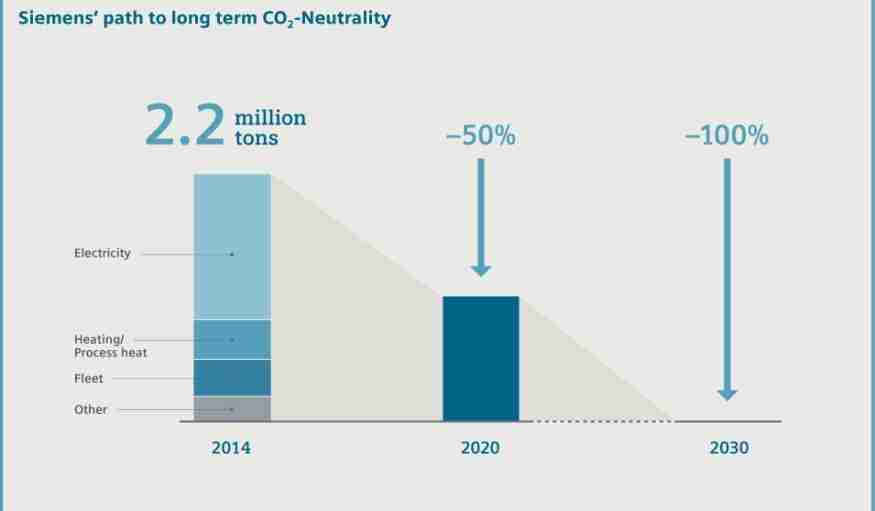
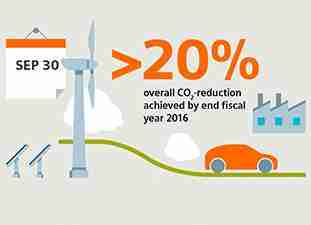
In addition to supporting its customers, Siemens has set itself the goal of becoming the first industrial company in the world to achieve a net zero carbon footprint in its own operations by 2030. The company plans to cut its carbon dioxide (CO2) emissions – which amounted to around 2.2 million metric tons per year in 2014 – in half by 2020. To achieve this goal, Siemens is investing around 100 million euros to improve the energy efficiency of its own buildings and production facilities and expects an annual return of 20 million euros from 2020 onwards. One year after the launch of the CO2 neutrality program, Siemens has already made significant progress in reducing its carbon footprint. From 2.2 million tons in 2014 to 1.7 million tons in 2016.
From theory to practice
To reduce its CO2 emissions in the long term, the company will focus on four initiatives: energy efficiency, decentralized energy system, smart mobility solutions and clean energy purchasing.
In Brazil, the company will follow its global investment plan and will also continue investing in its own initiatives, in the development of energy efficiency skills for selected internal audiences with the purpose of identifying viable investment opportunities for improving energy efficiency, in the monitoring and control of energy efficiency indicators for the management of governance results. Another action already implemented is the use of ethanol fuel in the vehicle fleet in Brazil.