
BY – CEBDS FOR NEO MONDO
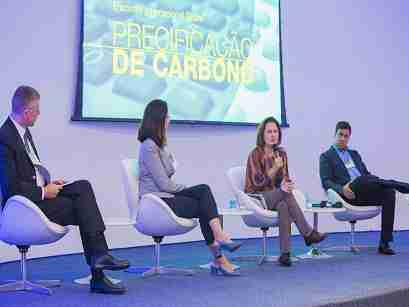
While the Brazilian government is still studying options for carbon pricing, Brazilian companies have taken the lead on the issue and have already adopted internal – and voluntary – carbon pricing mechanisms. The mechanism brings this important variable into business decisions, and allows companies to have predictability about a possible carbon tax in the near future, before deciding on an investment.
The national business role was even highlighted in the report State and Trend 2018 of Carbon Pricing, from the World Bank. The stance reflects the position set out in the open letter presented at the end of 2017, within the scope of the Climate Business Initiative (IEC), led by the Brazilian Business Council for Sustainable Development (CEBDS).
The document, prepared with the support of Carbon Pricing Leadership Coalition (CPLC), from the World Bank, defends the establishment of a pricing mechanism suited to the Brazilian economy and the country's Greenhouse Gas (GHG) emissions profile. With the support of 25 CEOs and CFOs of large companies and organizations, the movement aims to encourage investments and ensure the competitiveness of companies in a low-carbon scenario, guarantee the competitiveness of companies and stimulate low-emission technological innovation.
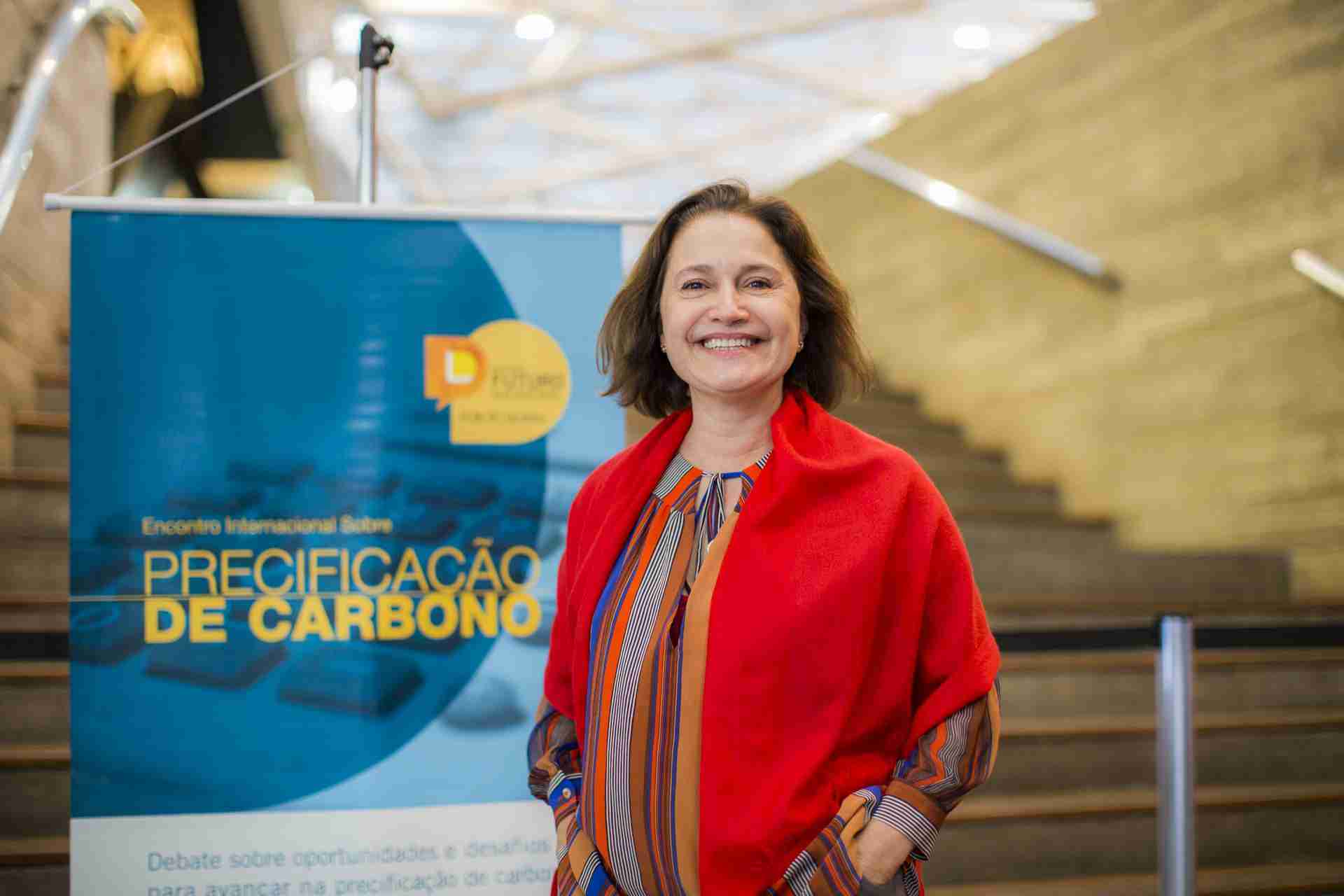
The president of CEBDS and member of the Steering Committee from CPLC, Marina Grossi, highlighted the effort, together with senior government leadership, in implementing pricing mechanisms in the country.
“Pricing carbon generates a competitive advantage for the country and, at this point, Brazil is far behind. We are committed to reducing emissions as part of our contribution to the Paris Agreement, and pricing is the most cost-effective way to accelerate achievement of targets. In July, a study, commissioned by CEBDS, is scheduled to be delivered to the Minister of Finance on the strategic decision to price carbon”, explains Marina, highlighting that the internal pricing movement is growing exponentially among companies.
Focusing on the implementation of the Brazilian NDC and as one of the mechanisms of the National Policy on Climate Change, Brazil is one of 18 countries currently studying carbon pricing within the Project Partnership for Market Readiness (PMR).
Voluntary pricing – Annual survey of Carbon Disclosure Project (CDP), reports that 51 companies in Brazil, in 2017, were already using or intended to adopt an internal carbon price. The number is 80% higher compared to 2015, when 27 companies spoke out on the matter. Worldwide, 1,389 companies reported adopting or intending to adopt an internal carbon price, with support from a similar number of companies that support the implementation of carbon pricing to redirect investments.

The president and CEO of Siemens, André Clark, argued that the decision to price carbon is urgent. “Brazil’s agenda is a green agenda and we need to take advantage of the advantages we have. Reducing the carbon footprint means reducing all other pollutants during the production process. This gives the business resilience”, highlighted Clark.
A Siemens, in fact, focuses on gaining efficiency in industrial processes to neutralize CO2 emissions by 2030, with investments of around €100 million worldwide. Innovation measures prevented 570 million tons of CO2 equivalent (tCO2e) from being emitted into the atmosphere in 2017, including in customers of the company's technology. “This is equivalent to 80% of Germany’s emissions, for example”, reinforces Clark.
A braskem, starting in 2018, it began generating carbon credits by replacing gasoline with ethanol in the corporate vehicle fleet. In addition, it has been developing voluntary engagement with suppliers with a focus on sustainability for six years. The company also participates in several initiatives that contribute to strengthening the agenda within the business network. For the vice president of braskem, Marcelo Cerqueira, internal pricing promoted by companies is a way of adapting the company to a market with pricing mechanisms.
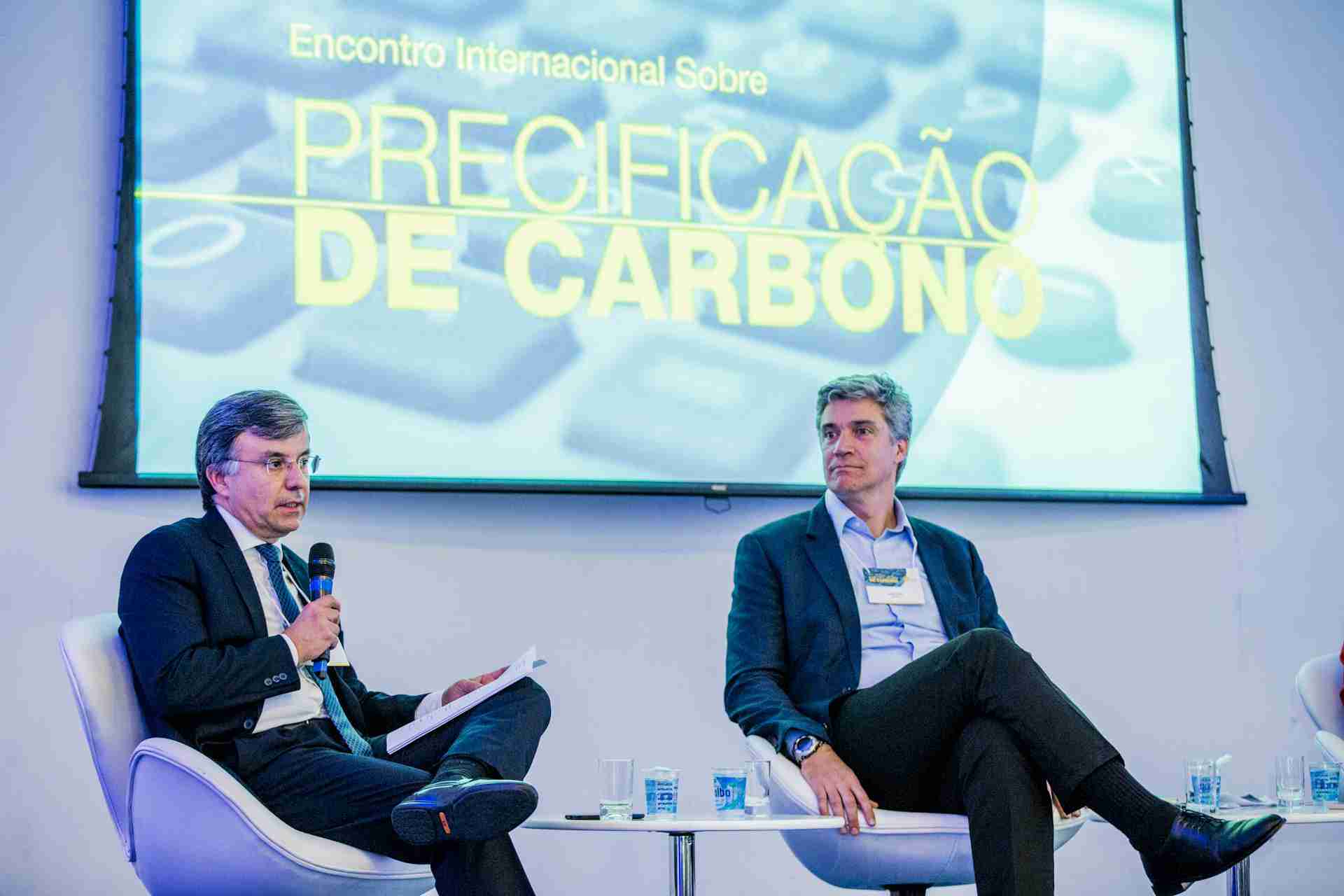
“The carbon pricing model is important because, if it doesn’t happen, it will penalize those who favor actions to reduce their footprint. Furthermore, it contributes to decision-making about the resilience of investments in a low-carbon scenario”, believes Cerqueira. According to the vice-president, the company's initiatives prevented the emission of 4.5 million tCO2e. “Our price allows for a more careful analysis of investments. It is an important element considered when analyzing projects”, he added.
The claim is supported by International Emissions Trading Association (IETA) which argues that pricing stimulates competitiveness. For Stefano de Clara, international policy director at IETA, for the system to work, support from the private sector is necessary.
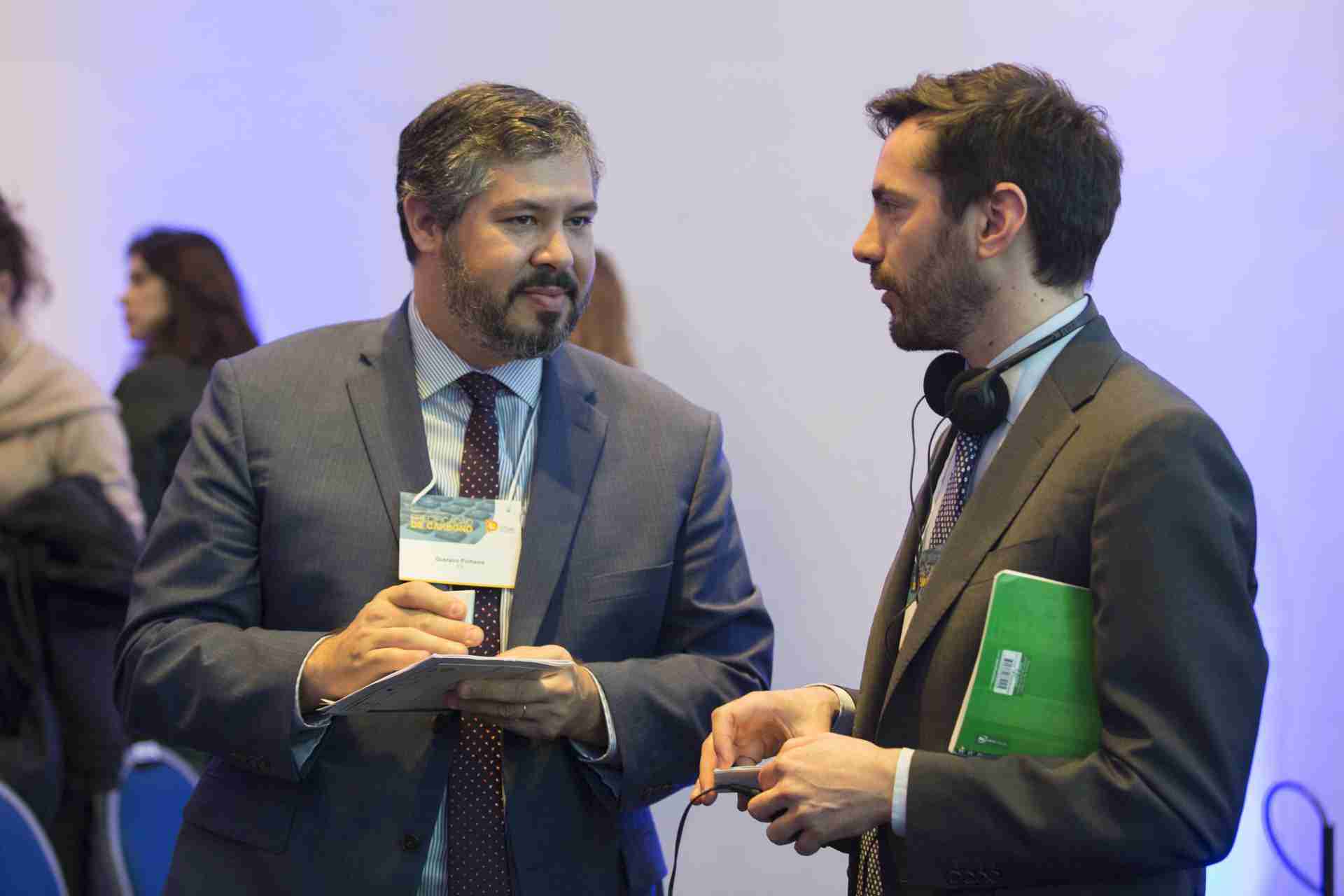
“As an institution, we support the implementation of the carbon market, in the face of taxation, as it allows a long-term view of emissions, in addition to being more transparent. Today, there is already a wealth of experiences on which the country can base itself in the implementation of its pricing mechanisms, but without the support of the business sector it will be difficult to advance on the topic.”
Aligned with the objective of offsetting carbon emissions, Natura It is Itaú Unibanco In 2017, they launched the “Climate Commitment” notice to attract projects to offset GHG emissions, through the purchase of 500 thousand tons of CO2 to offset emissions from recent years. The joint initiative seeks to encourage partners and suppliers to also neutralize their emissions through projects in areas such as renewable energy, agriculture, forestry and waste treatment.
“The carbon offset policy reinforces the commitment that Natura has with the agenda to mitigate the effect of climate change established in the Paris Agreement. The partnership with the Itau is very important to generate greater positive environmental and social impact”, says Keyvan Macedo, sustainability manager at Natura.
Denise Hills, Superintendent of Sustainability and Inclusive Business at Itaú Unibanco, reinforces the importance of other institutions joining initiatives like this. “With voluntary compensation, new financial flows are generated for projects and initiatives that promote the transition to a low-carbon economy. The more the business sector gets involved in this journey, the better. Everyone wins,” he adds.
Article originally published on NEO MONDO Portal.


