
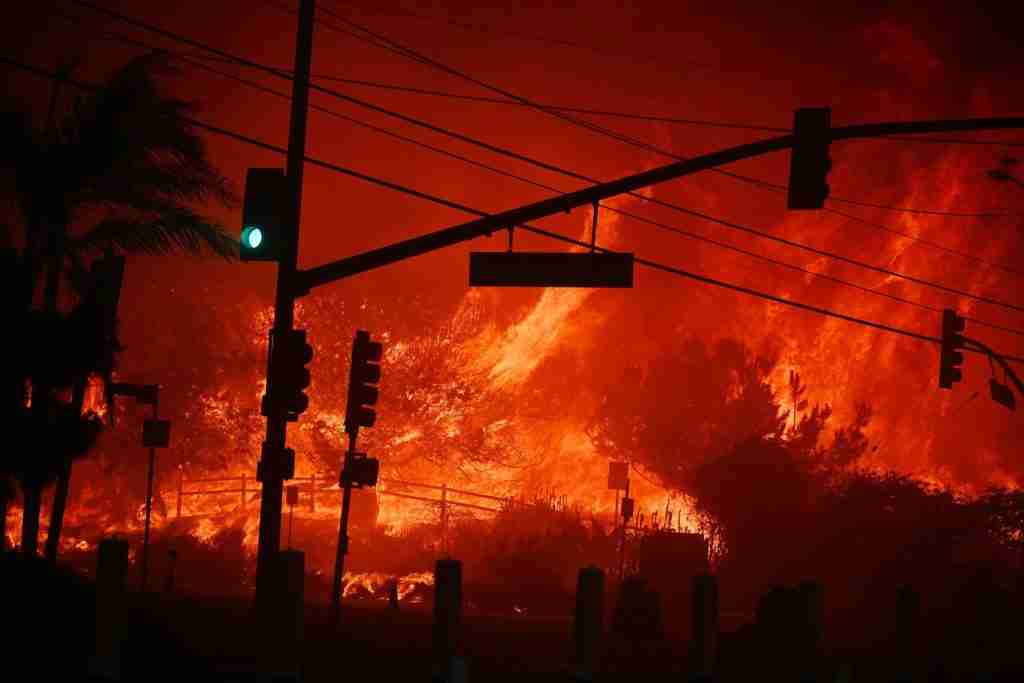
Climate change has worsened factors that culminated in fires in California; the situation is a warning for the increase in extreme weather events around the world.
The largest wildfires in Los Angeles, California's history are raging during the Northern Hemisphere winter. Extreme heat, prolonged drought and high winds have led to a devastating scene that has left thousands homeless and decimated neighborhoods.
This alarming fact is yet another example of what we are seeing around the world with the intensification of extreme weather events resulting from climate change.
In Brazil, similar conditions, such as drought and strong, dry winds, led to a 2024 with records of burned areas in biomes such as the Amazon and the Pantanal. The large volume of rain culminated in the tragedy in Rio Grande do Sul.
Understand what is happening in California
– Increase in the average temperature of the region
– Constant rainy season between 2022 and 2023, which generated growth in local vegetation
– Period of prolonged drought
– Winds of up to 160km/h
– Expectation of fires of this size in summer, not winter
The combination of these factors led to the creation of multiple fires, which spread quickly due to gusts of wind, which also increased the size of the flames. There are already more than 150,000 homeless people and 24 deaths, and the area affected by the fire is larger than the city of Paris.
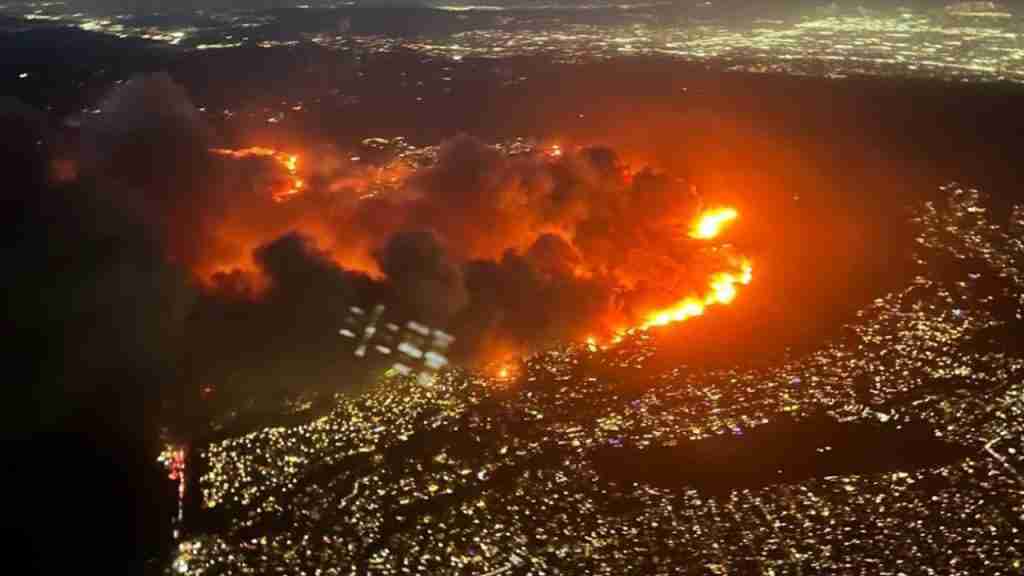
Aerial view of California fires | Reproduction: Social Networks
2024: the hottest year in history
The World Meteorological Organization (WMO) has confirmed that 2024 was the hottest year since we have been monitoring the Earth's average global temperature. It is important to remember that the last ten years have all been among the ten hottest. In Brazil, climate disasters have increased by 250% in the last four years.
The alarming figures reveal the need for a drastic shift towards a low-carbon economy, with a focus on addressing the causes of disasters, not just their prevention and containment.
Sustainability on the agenda to prevent climate catastrophes
Tackling the escalation of extreme climate events requires massive investment in policies that encourage a green future, supporting initiatives such as Carbon Markets, Energy Transition and green infrastructures, based on Nature-Based Solutions (NbS).
These strategies, which include ecosystem restoration, sustainable forest management and biodiversity protection, help reduce fire risk, strengthen natural carbon storage cycles and improve the resilience of local communities. Adopting these solutions not only mitigates environmental impacts but also creates economic opportunities, especially in resource-rich countries like Brazil.
“This particular strategy, which includes integrating solutions into urban planning such as reforestation of hillside areas and riverbanks, creation of wetlands, ecosystem-based adaptation to combat heat islands, parks and green roofs, can contribute both to the resilience of our cities to extreme weather events and to the mitigation of greenhouse gas emissions.”
– Marina Grossi, President of CEBDS
This model offers significant benefits for city planning and businesses, promoting sustainable and resilient infrastructure. In urban areas, the integration of natural elements improves air quality and increases drainage capacity, mitigating floods and other events. The private sector can also play a decisive role, contributing to sustainable initiatives that directly impact the reduction of greenhouse gases, which contribute to global warming.
Strategies such as Nature-Based Solutions (NbS) and Carbon Markets not only help to contain the advance of extreme weather events, but also point to a more balanced, inclusive and resilient economic model. Facing the challenges posed by climate change requires a collective effort that unites governments, companies and communities around concrete and sustainable solutions, which will not be built overnight, but will play a crucial role in a green future.


