
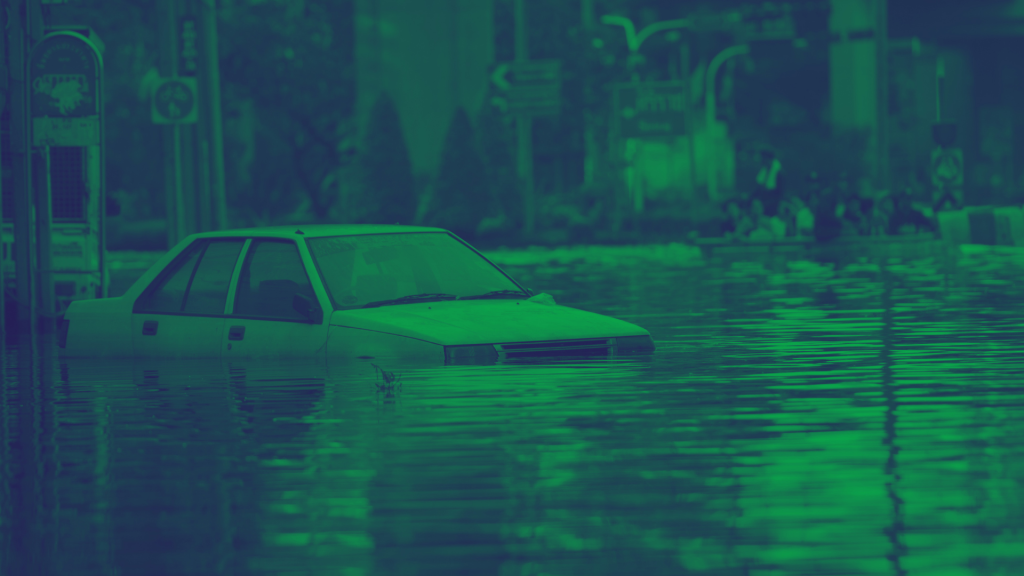
From floods in Rio Grande do Sul to fires on the Iberian Peninsula, passing through a historic storm in Rio de Janeiro and a glacial avalanche in the Himalayas, recent years reinforce a trend observed by climate science: extreme events are becoming more frequent, more intense, and more unpredictable. Understand what's behind this global pattern.
Recently, news about climate disasters has multiplied in news outlets across different continents. In Brazil, Rio Grande do Sul was the scene of severe floods in 2024, while in 2026 Rio de Janeiro was hit by one of the strongest storms in its recent history. In Europe, Portugal, Spain, France, Italy, and Greece are facing one of the worst forest fire seasons on record. In the Himalayas, an avalanche of ice and rock in Nepal caused a tragedy of enormous proportions. Although these events are of distinct hydrological, atmospheric, and geological natures, they all have something in common: they reinforce a pattern that climate scientists have been warning about for years.
A snapshot of recent events.
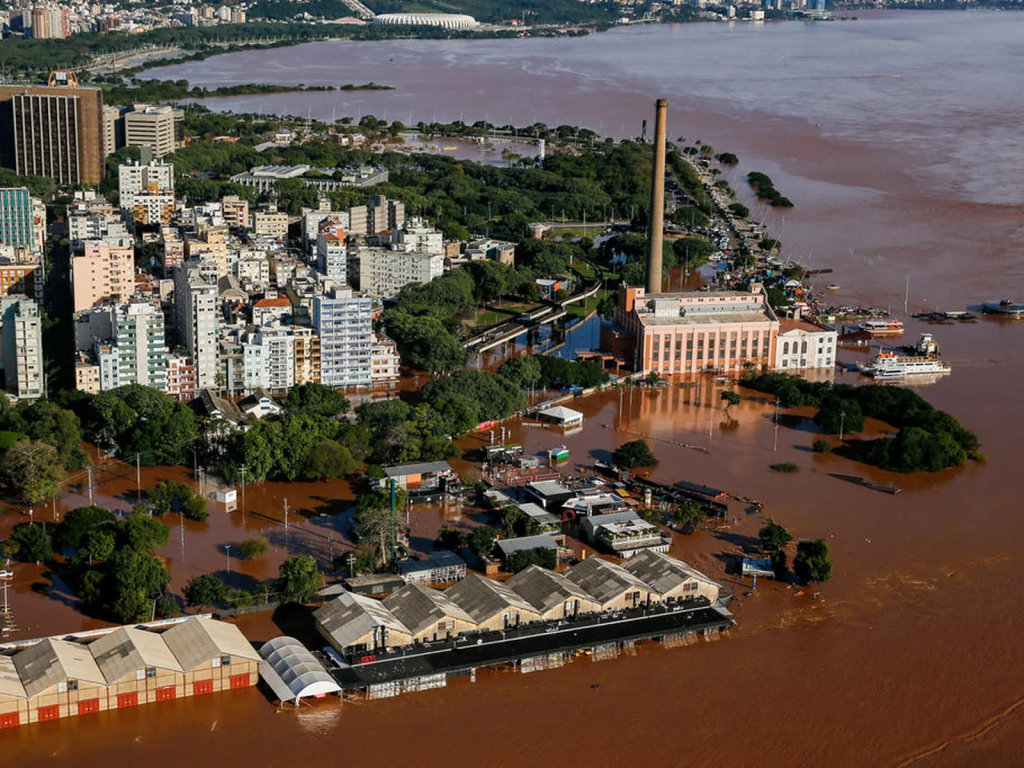
Rio Grande do Sul In May 2024, the state experienced what the state government itself classified as the worst climate catastrophe in the state's history. A series of historic rainfalls—Porto Alegre recorded 452 mm above average in May alone, and cities like Caxias do Sul accumulated more than 770 mm above expectations—caused the Guaíba River to reach a record level of 5.37 meters in the capital of Rio Grande do Sul. The disaster left 184 dead, dozens missing, and affected more than 700,000 people displaced or homeless in 425 municipalities of the state, in an episode that remains one of the biggest climate disasters ever recorded in Brazil, with the federal government allocating more than R$100 billion to recovery efforts since then.
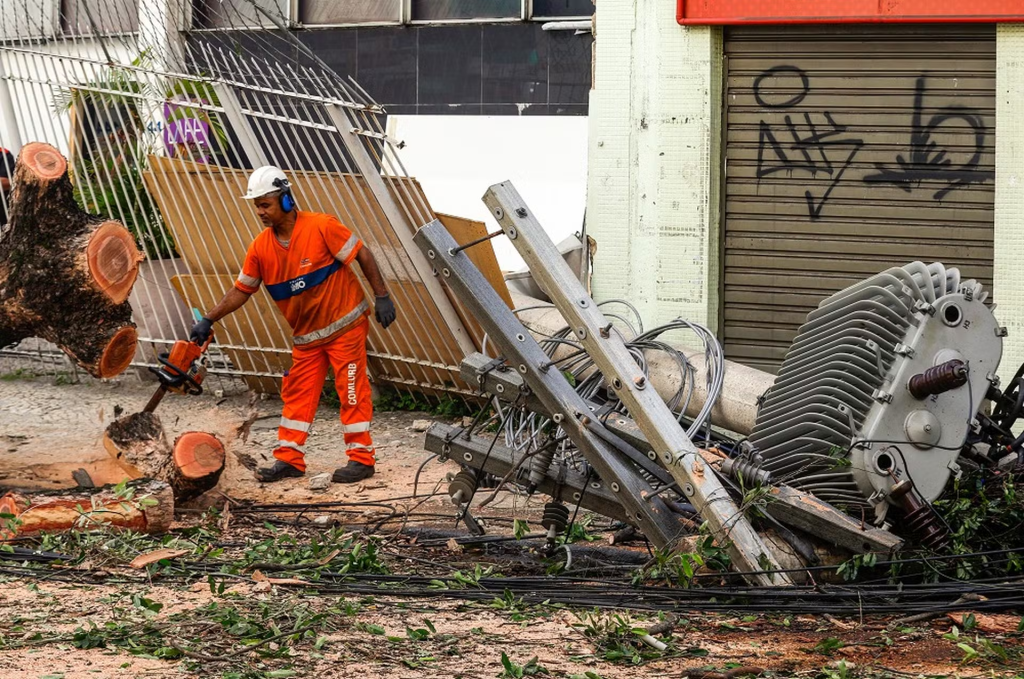
At the Rio de Janeiro, A gale with gusts of up to 105 km/h hit the state on July 29th, ranking among the top 3 highest wind speeds in local history. The storm left 1.9 million homes without electricity, caused three deaths, and led the capital to the highest level of emergency declared by Civil Defense, with thousands of families without power for days.
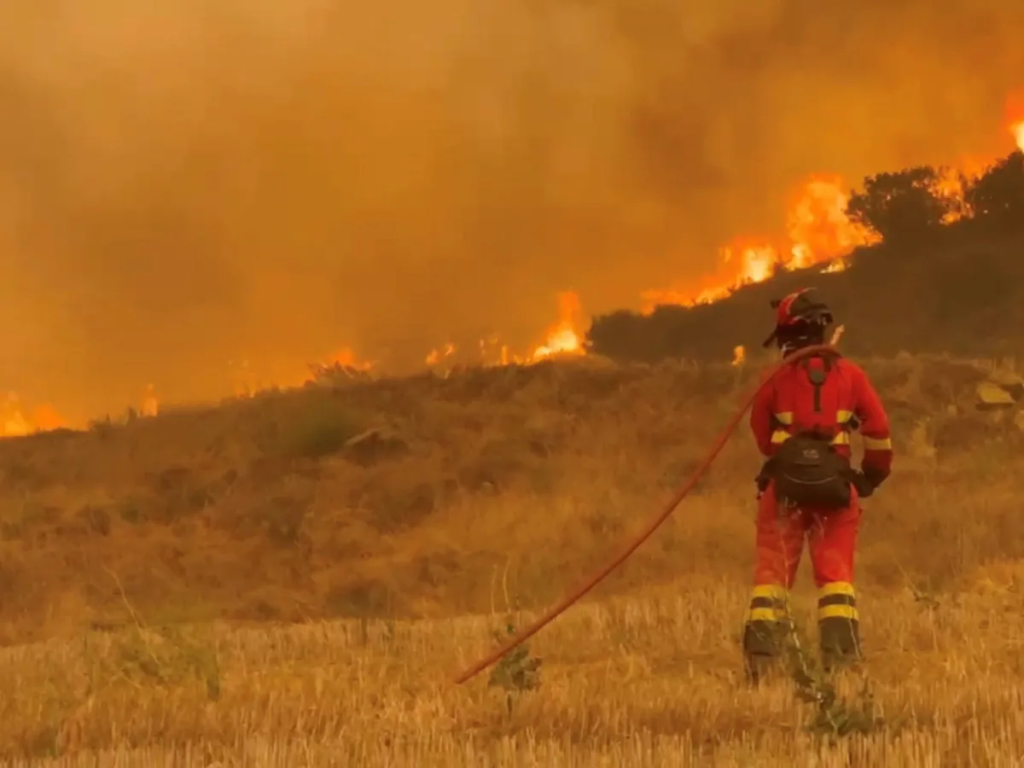
At Iberian Peninsula, 2026 is already considered, for several European countries, the worst year in terms of area burned by forest fires in the last 15 decades. Portugal and Spain registered an increase of 100% in the number of fires compared to 2025, while Italy had its fifth worst year of the period. Heat waves with temperatures above 40°C, coupled with prolonged drought, created ideal conditions for the spread of fire, leading to mass evacuations in France and Spain and mobilizing international firefighting reinforcements among the countries.
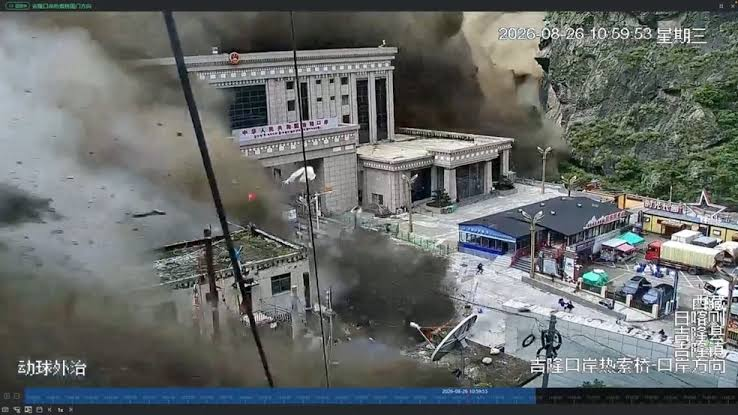
At the Nepal, On August 26, an avalanche of ice and debris broke through a glacier in Langtang National Park, on the border with China, generating a stream of debris that traveled about 100 kilometers and devastated communities along the Lhende Khola, Bhotekoshi, and Trishuli rivers. The event released energy comparable to a magnitude 5.2 earthquake, destroying infrastructure, including hydroelectric power plants and a strategic highway between the two countries.
Why are these events becoming more frequent?
Climate scientists point to a set of interconnected factors to explain the increase in the frequency and intensity of extreme weather events around the world:
- Global warmingThe increase in the planet's average temperature intensifies the hydrological cycle; warmer atmospheres retain more moisture, which favors more intense and concentrated rainfall, while at the same time exacerbating periods of drought in other regions.;
- Natural weather patterns amplifiedCyclical phenomena such as El Niño and La Niña have always existed, but scientists point out that their variations have become more extreme on a warmer planet, extending both periods of drought and periods of excessive rainfall;
- Accelerated melting of glaciersThe warming of mountainous and polar regions is making glaciers more unstable, increasing the risk of sudden ruptures, as in the case of the glacial avalanche in Nepal, a phenomenon that has been increasingly monitored by geologists in mountain ranges such as the Himalayas and the Andes;
- Ideal conditions for fires.Longer and more intense heat waves, combined with drier soils, create an environment conducive to the spread of fire, a pattern observed both in Europe and in other regions of the world, including Brazil;
- Urbanization and occupation of risk areasPart of the increased impact of these events is also linked to human factors such as urban growth in areas historically vulnerable to floods, landslides, and extreme winds, which amplifies the damage even when the intensity of the phenomenon itself is not unprecedented.
What does this mean for governments, businesses, and society?
Given this scenario, climate adaptation ceases to be a long-term issue and becomes an immediate risk management priority for both governments and the productive sector. Investments in early warning systems, resilient infrastructure, adequate urban planning, and international cooperation for monitoring geological and climate risks appear as central paths to reduce the human and economic damage of these events, which tend to become increasingly frequent in the coming decades.
Climate adaptation in practice: the role of CEBDS with the business sector.
Given the inevitability of extreme events, climate adaptation is no longer a long-term agenda item but has become an immediate strategic priority. For the productive sector, this goes far beyond responding to disasters: it requires continuous and proactive transformation. It becomes essential to incorporate climate, physical, and financial risks into the core of business planning, rethinking supply chains, infrastructure, and operations to ensure resilience and socioeconomic continuity in the face of increasingly severe shocks.
It is precisely with this focus on structural solutions that the topic is addressed in CEBDS. Corporate adaptation is at the heart of the activities of the Thematic Chambers of Water and of Climate, Energy and Sustainable Finance, CEBDS, which brings together member companies to build practical guidelines, manage water risks, and boost funding for resilient projects. In this way, CEBDS supports the business sector in anticipating vulnerabilities and developing adapted business models, transforming the greatest challenge of our era into an engine of innovation, security, and sustainable competitiveness.


