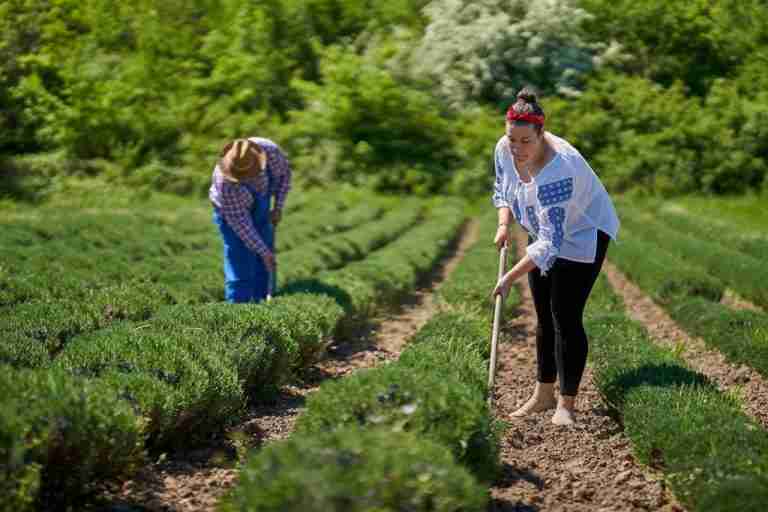
In international forums, we hear a lot about Nature-based Solutions (SBN, or Nature-based Solutions NBS, in English), a broadly defined term that, like many others in the area of sustainability, deals with already known concepts but with a different meaning. clothing. NBS consist of “actions to protect, sustainably manage and restore natural or modified ecosystems, which address societal challenges in an effective and adaptive way, while simultaneously providing benefits for human well-being and biodiversity”, according to the International Union for Conservation of Nature (IUCN). The organization classifies them into five categories:
1. Restorative (ecological restoration, forest landscape restoration and ecological engineering);
2. By objective (ecosystem-based adaptation and mitigation; ecosystem-based disaster risk reduction; climate adaptation services);
3. Infrastructure (natural infrastructure and green infrastructure);
4. Management (integrated management of coastal zones and water resources management);
5. Protection (approaches for managing conservation areas or other conservation measures by immobilizing the area).
With all the benefits they generate, SBN had a special space at this year's Climate Adaptation Summit, a conference that brought together global and local leaders around the topic of Climate Adaptation (check out (check out here). The panel included representatives from all continents from the public and private sector and representatives from civil society.
Global initiatives
Inger Andersen of the United Nations Environment Program (UNEP) warned that we are still in the very early stages of implementation regarding adaptation. He recalled that the most severe impacts will fall on the poorest and that we need greater financing before COP26, and stated that “we cannot afford to lose this race”.
Canada's Minister of Environment and Climate Change, Jonathan Wilkinson, reported the country's participation along with other countries and multilateral bodies in the Global Center for Adaptation (GCA), which developed a tool called NBS Action Track (see more here).
Representative of Mexico, Dr. Maria Amparo Martinez, from the National Institute of Ecology and Climate Change, highlighted the importance of SBNs in the post-covid economic recovery as they deal with regional solutions for essential areas in creating healthier and more resilient societies: risks and disasters, maintaining biodiversity, encouraging scientific and traditional knowledge, gender equity, environmental justice and food security. Furthermore, it drew attention to the insertion of SBNs within the goals established in the Paris Agreement, the so-called Nationally Determined Contributions (NDC, in English), which Mexico implemented.
The person who reinforced this message was Dr. Patrick Verkooijen, from GCA, who reported that there are great financial opportunities to be explored: for every dollar invested in SBN, the return is ten dollars, but only 3% of global climate change funding is allocated Check out SBN. Still, only 3% of companies report SBN as part of their climate adaptation strategy.
Indigenous people are key actors
The holistic view of what modern society sees as the physical, biotic and anthropic environment needs to be rescued in order to combat the climate crisis, and no one better to talk about it than representatives of indigenous and traditional communities, whose lifestyle is implementation of NBS itself, for many generations. On the panel, indigenous representatives Regino Montes, from Mexico, and Mandy Gull, from Canada, stated that all solutions must be intrinsically linked to culture and the guarantee of human rights so that they protect great allies for their preservation and knowledge in sustainable management. The effective implementation of NBS must integrate the entire local community, a guideline also mapped out byO Guide 10 Business Principles for a Sustainable Amazon.
Financing and scalability
The main obstacle cited by several panelists was the lack of technical knowledge of investors to analyze climate impacts of business, to be able to base their decision-making and allocation of financial resources. Veronica Scott, from the large insurance company Swiss Re, sees the ideal scenario as SBNs permeating all areas, from tools to indices, integrating into all conventional activities. Therefore, the sharing of knowledge and experiences is considered highly necessary, together with sharing of risks and financial incentives, governance and regulations.
It's in Brazil? Alone, we represent 20% of global opportunities in NBS with an important participation in reforestation, soil management and agriculture. Which means we can be a reference for SBN implementation in the world!
Learn more about opportunities and barriers in SBN financing in our article.